


Your Backpack for Your Journey on the Camino de Santiago
How to choose it and what to carry on your journey into the Saint James Way
Gian Franco Nercolini
12/18/20255 min read
Your Backpack for Your Journey on the Camino de Santiago
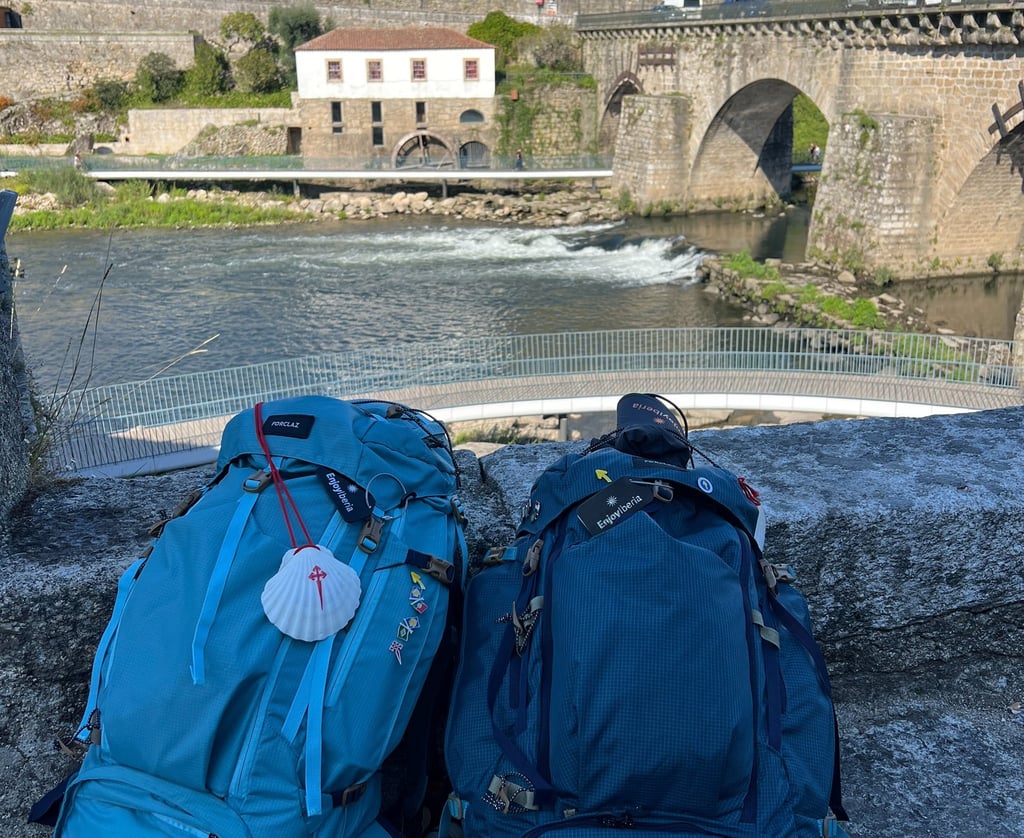
Embarking on the Camino de Santiago can be a transformative experience, a journey of self-discovery and spiritual reflection, introspection, or even overcoming a challenge. Whatever it means to you, one crucial companion on this pilgrimage is your backpack , which will carry your essential items through diverse landscapes. Choosing the right backpack and packing it wisely can significantly improve your comfort and enjoyment. After going through this process several times, and literally carrying the mistakes, here are my tips for selecting the perfect backpack for your Camino adventure.
Backpack Specifications and Materials
Selecting the right backpack is fundamental. You will carry it for many hours, day after day, so comfort and durability are essential.
Size and Capacity
For the Camino de Santiago, less is generally more. Most pilgrims consider a backpack in the 35-50 liter range as ideal.
30-40 Liters: Suitable for minimalist pilgrims, especially during warmer months.
40-50 Liters: Offers a bit more space for colder weather gear or for those who prefer some additional comforts, such as compartments for dirty or wet clothes or just more space to store souvenirs from the Camino.
Anything larger can easily lead to overpacking, causing unnecessary strain and fatigue. Remember: every extra kilo will feel much heavier at the end of the day.The Camino is also about detachment, taking only what is truly necessary.
Material
Look for backpacks made of lightweight, durable, weather-resistant materials that can dry quickly.
Nylon and Ripstop Nylon: These are common choices, offering a good balance between strength, weight, and water resistance. Ripstop nylon is particularly good as it prevents small tears from spreading (personally, it's my favorite).
Cordura: Known for its exceptional durability and abrasion resistance, although it can be slightly heavier.
Many recommend backpacks that include a rain cover. Personally, I prefer carrying a large plastic or even rubber poncho, which is light and can cover everything, both you and your backpack.
Integrated covers usually don’t cover the shoulder straps, and therefore they can get soaked in case of rain and, as they are usually padded, they take a long time to dry. This does not happen with a poncho. Weather on the Camino can be unpredictable, and keeping your belongings dry is essential.
Features to Look For
Versions: Many backpacks come in male and female versions, designed to match different back shapes and provide the best fit.
Adjustable Torso Length: This is crucial for a personalized fit, ensuring weight is distributed correctly.
Padded Hip Belt: A well-padded and sturdy hip belt is vital, as it supports most of the backpack's weight, transferring it from your shoulders to the stronger muscles in your legs. This is a crucial point: most of the load should rest on your hips, not your shoulders or arms, which serve mainly for balance. I usually recommend backpacks with zippered pockets on the hip belt — perfect for keeping your headphones, wallet, documents, passport, pocket knife, and even your Camino credential close at hand.Sternum Strap: This helps stabilize the backpack on your back and keeps the shoulder straps in place.
Rigid Frame: A good backpack should have a frame that prevents the pack from resting directly against your back, allowing proper ventilation. On hot days, this feature is essential for conserving your energy along the Camino.
External Pockets: These are convenient for quick access to water bottles, snacks, maps, or your phone without needing to open the main compartment.
Compression Straps: These help tighten the load, keeping everything secure and preventing items from shifting. They’re an essential feature on any backpack — it may seem minor, but a well-compressed pack actually reduces the effort of carrying it.
How to Adjust Your Backpack to Your Body
Properly adjusting your backpack is just as important as choosing the right one. A well-fitted backpack will feel lighter and help prevent discomfort.
Loosen All Straps: Before putting on your backpack, loosen the hip belt, shoulder straps, and sternum strap.
Lift and Position: Lift the backpack and carefully slide it onto your back.
Position the Hip Belt: The hip belt should rest directly over your hip bones, with the top edge of the belt about an inch above your iliac crest (the top of your hip bone). Tighten and adjust the hip belt first, as this is where 70-80% of the weight should rest.
Tighten the Shoulder Straps: Gently pull the shoulder straps until they are snug, but not overly tight. They should keep the backpack close to your body without bearing excessive weight. You should be able to slide your hand under the straps.
Adjust Load Stabilizers: These are the small straps located at the top of the shoulder straps, connecting them to the upper part of the backpack. Pull them forward at about a 45-degree angle to bring the top of the pack closer to your back, preventing it from pulling backward.
Fasten the Sternum Strap: Adjust the sternum strap across your chest. It should be comfortable and prevent the shoulder straps from digging into your armpits or falling off your shoulders.
Check for Comfort: Walk around for a bit. Your backpack should feel stable and balanced, with no pressure points or excessive swaying.
What to Pack in Your Backpack
The golden rule for the Camino is to pack as little as possible. Aim for your packed backpack to weigh no more than 10% of your body weight, ideally less. For example, I weigh 82kg today, so my backpack shouldn’t exceed 8.2kg (today I carry a backpack of about 6kg). Of course, the lighter you are, the harder it is to stay within that 10%.
Essentials
Documents: Passport/ID, Pilgrim's Credential, insurance details (to avoid relying on electronics), emergency contacts, a small amount of cash.
Clothing (Layers are Key):
2-3 performance shirts (quick-drying)
1 basic long-sleeved shirt (for warmth and sun protection)
1 pair of hiking shorts/pants (convertible, if possible)
1 pair of comfortable pants/leggings for the evening
3-4 pairs of hiking socks (I recommend merino wool to prevent blisters)
Underwear
Light or mid-layer fleece
Waterproof windbreaker jacket (essential!)
Light rain pants
Hat or cap for sun protection (I personally prefer a hat with a full circular brim to protect the back of the neck from burning. If you do the Camino in cold weather, remember to bring an appropriate hat for that (beanie, lined hat with ear protection, etc.).
Footwear:
Broken-in hiking boots or trail running shoes (DO NOT buy new shoes just for the Camino! Shoes will be the topic of another text.)
Comfortable sandals or flip-flops for evenings and showers (Crocs are a popular choice)
Personal Hygiene Products:
Travel-size shampoo, soap, toothbrush, and toothpaste
Bath towel (quick-drying microfiber)
Sunscreen and lip balm with SPF
First Aid Kit:
Blister treatment (Compeed is my recommendation)
Painkillers (ibuprofen, paracetamol)
Any personal medications
Navigation and Safety:
Whistle (for emergencies), if the backpack does not have one incorporated into the chest strap.
Other Essentials:
Water bottle or hydration reservoir. I personally prefer to carry a 0.5L double-walled aluminum bottle (to keep water cool) and refill at cafes and fountains along the Camino, avoiding the need to carry extra weight.
Snacks (granola bars, nuts, dried fruit) only for the sub-stage you are doing, because the Camino always has cafes for snacks. That is, take one or two bars, a banana or an apple, etc. Remember, this adds weight to your backpack.
Walking poles (optional, but highly recommended for knee support and balance, although I don't like using them)
Camino shell (the symbol of the Camino, often attached to the backpack)
What NOT to Pack
Excessive Clothing: You can wash clothes along the way; there are many self-service laundromats in the towns along the Camino.
Heavy Books: Consider an e-reader or audiobooks.
Unnecessary Electronics: Limit yourself to your phone and charger.
Large Personal Hygiene Products: Travel sizes are sufficient.
Items You've Never Used Before: Stick to tried and tested gear.
ALWAYS remember the 10% rule! It's a common mistake to pack your backpack and then start adding snacks, medicines, water bottles, etc., causing the weight to far exceed the initial goal.
At EnjoyIberia, we are dedicated to ensuring your Camino de Santiago pilgrimage is as comfortable and rewarding as possible. Proper preparation, starting with the right backpack, is the first step towards an unforgettable journey. Buen Camino!